



In an increasingly competitive talent market, the designation of “best employer” has evolved from a branding aspiration to a strategic necessity. Organizations that earn this recognition do so not through superficial benefits or visibility campaigns but through a sustained commitment to building trust, fairness, and meaningful employee experiences.
Earlier this year, Indero was named best employer by Mercer, a recognition that underscores the enduring impact of our commitment to people-centered practices. This year also marks our 25th anniversary, a milestone that reflects our long-standing dedication to our employees and organizational values. While such acknowledgments are valued, they primarily reinforce our ongoing responsibility to evolve and listen, ensuring that our culture and strategies continue to reflect the needs and voices of our employees.
A future-ready human resources (HR) strategy must be both globally consistent and locally responsive. It must enable organizational growth while remaining anchored in the realities of diverse workforces. The most resilient HR functions are those that integrate data-driven operations with a deep understanding of people.
Listening as a Leadership Discipline
Effective HR leadership begins with listening; inclusive listening across hierarchies, departments, and geographies. The ability to hear and understand the concerns of both management and employees is essential to making informed and equitable decisions.
Equity must be intentionally put into practice. Fairness within any organization should be continually assessed and purposefully strengthened, making it more than just an abstract concept. This ensures that everyone throughout the organization truly experiences equity.
Trust as a Strategic Asset

Trust is earned through consistent behavior, transparency, and proximity. When discrepancies in employee engagement arise across regions, the most effective HR teams respond by seeking understanding rather than offering assumptions. Cultural and operational differences between regions, such as those between Europe, North America, APAC, and Africa, require thoughtful consideration and tailored approaches. Each region presents unique workforce expectations, regulatory environments, and cultural norms that HR strategies must address to ensure relevance and effectiveness across the global organization.
The role of HR is to stand between employer and employee interests, ensuring that decisions reflect both business imperatives and human realities.
Influence Without Visibility
The most impactful HR work often occurs behind the scenes. Influence is not measured by the ability to shape culture, remove obstacles, and enable others to succeed. At Indero, HR play a central, strategic role. This acknowledgment reflects how employees feel about working at Indero, their motivation to do their best, and their desire to stay and advance in their careers.
The snowplow is a fitting comparison; HR helps clear away obstacles so that operations can move forward smoothly. By actively listening to staff, promoting fairness, and streamlining operations, HR helps build a strong, collaborative culture that supports accuracy and long-term success, qualities that are vital in clinical research.
A core principle of this work is recognizing that people are more deeply influenced by genuine care and understanding than by expertise alone. Building trust and connection is essential for meaningful engagement and lasting impact.
HR as a Reliable Reference
In organizations that excel, HR serves as a central resource where both employees and managers turn for clarity, support, and guidance. Acting as the organization’s cultural compass, HR helps define acceptable behaviors, set aspirational goals, and ensure alignment with core values, thereby shaping the overall direction and integrity of the company.
In Sum
Success rarely comes from the effort of one person alone. It is the result of many people working together, much like the combined effort needed to open a tightly sealed jar. Every push matters, and every team member contributes to the final outcome.
About the Author
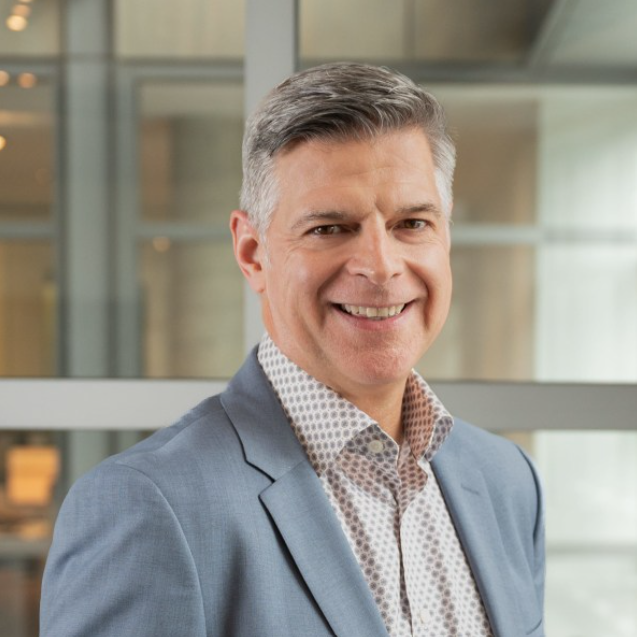
Yvon Leduc is Global Head of HR at Indero, a leading CRO in dermatology and rheumatology. With more than 25 years of experience in strategic HR leadership, he has successfully built and scaled HR operations across diverse regions, introduced inclusive talent practices, and led organizational transformation during periods of rapid growth and change. He also holds the designation of Chartered Professional in Human Resources (CPHR) from Quebec. His leadership has played an important role in shaping a culture defined by trust, equity, and operational resilience, establishing HR as a strategic partner integral to the organization’s success.