Enhancing Rheumatoid Arthritis Patient Retention

Maintaining patient participation is a critical factor that can determine the success or failure of a study, particularly in the context of rheumatoid arthritis (RA) clinical trials. Excellent patient retention is a hallmark of quality sites that prioritize patient care and cultivate enduring relationships, leading to enhanced patient loyalty. Effective strategies, such as periodic surveys […]
Rheumatoid Arthritis: The Imperative of Patient Recruitment and Research Opportunities
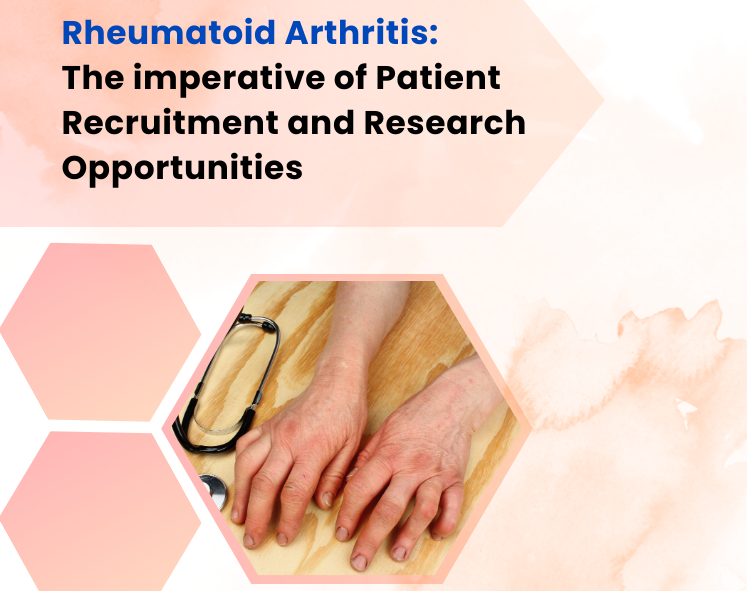
The Rising Tide of Rheumatoid Arthritis and the Unmet Need Rheumatoid Arthritis (RA) is a severe autoimmune disease with profound physical, emotional, and socioeconomic impacts. Despite the introduction of targeted biological and pharmacological treatments, a significant number of RA patients still suffer from unbearable side effects. The rising prevalence of RA underscores the urgent need […]
CHORD COUSIN Collaboration (C3): Advancing Hidradenitis Suppurativa Measurement Standards
It is essential to acknowledge some of the challenges faced by investigators when evaluating disease severity in hidradenitis suppurativa (HS) trials using the currently available outcome measures. These challenges extend to rare and uncommon diseases, where the absence of robust, rigorously developed, and validated measures can deter substantial investments from companies. A notable global research […]
Innovative Approaches in Measuring Hidradenitis Suppurativa Disease Severity: Promising Measurement Criteria
The challenge of assessing hidradenitis suppurativa (HS), primarily resides with the raters rather than the measurement instruments. In an attempt to find potential solutions to high inter-rater variability in disease assessment, this article will examine the most frequently evaluated endpoints in HS trials, the Hidradenitis Suppurativa Clinical Response (HiSCR), and 2 emerging measures, the International […]
Confronting the Main Challenge in High Placebo Response Rates in Hidradenitis Suppurativa

When addressing the biggest hurdle in drug development for Hidradenitis Suppurativa (HS), the issue of high placebo response rates in clinical trials is unmistakably significant. The challenge lies in distinguishing between the mechanism of action (MOA) from placebo response at the endpoint. It is crucial to recognize that the primary concern often stems from the […]
How to Manage Placebo Response Rate in Atopic Dermatitis – Ensuring Reasonable Placebo – Response Rate — A Sponsor’s Guide
Welcome to the second installment of the series on placebo response rate in atopic dermatitis (AD). This series aims to explore the complexities and nuances of placebo response rates in AD clinical trials and dive into the analysis of high response rates. This article explores the concept of a reasonable placebo-response rate in atopic dermatitis […]
The Complexity of Hidradenitis Suppurativa Symptom Assessment: The Elusive Measurement Challenge
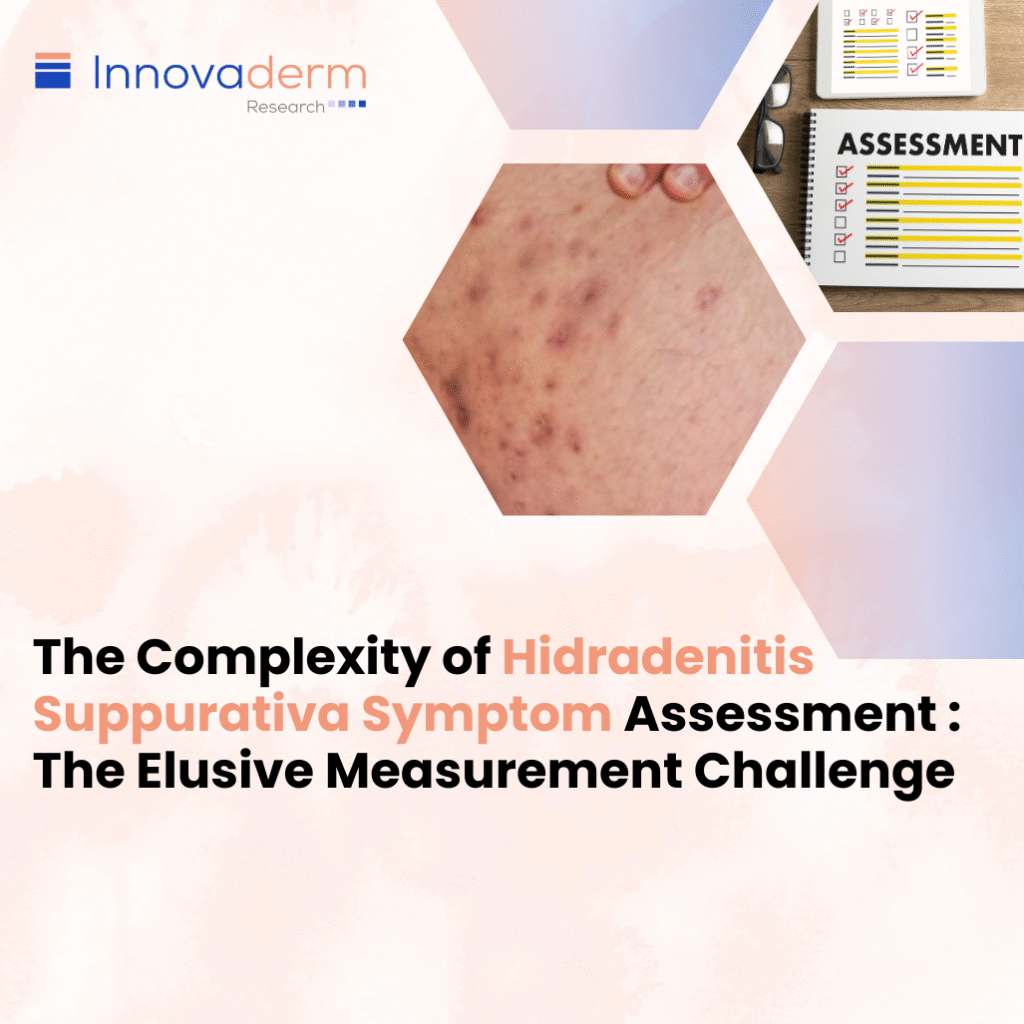
As we explore the high response rate and the minimal difference between the active and placebo arms in hidradenitis suppurativa (HS), the question arises: “Could the high placebo response rate be more related to the rater’s use of currently available outcome measurement instruments (OMI) in disease assessment rather than variations caused by the assessors themselves?” […]
Quality Assurance and Compliance in Clinical Trials: A Guide for Biotech and Pharmaceutical Sponsors

Quality and compliance are paramount in clinical trials to ensure the integrity of data and the safety of participants. This article explores key quality control measures and compliance strategies, drawing insights from experienced professionals in the field, with a focus on what biotech and pharmaceutical companies need to know. Training and Harmonization Comprehensive training for […]
3 Tips on How to Manage Rosacea Trials
April is dedicated to raising awareness around Rosacea. One of Innovaderm’s all-star project managers, Nalanie Johnson, shared some tips that are crucial when managing a clinical trial to the complexity of a therapeutic indication such as Rosacea: 1. In managing Rosacea studies, it is important to understand the indication and patient flow. Most patients will come from […]
Best Practices in Skin Microbiome Sample Collection

Our skin is home to millions of microorganisms which play an important role in the innate and adaptive cutaneous immune system and the overall maintenance of our skin barrier. Dysbiosis has been shown to be associated with many skin diseases. Having a better understanding of the skin microbiome to allow dysbiosis reversal is critical for the development […]