

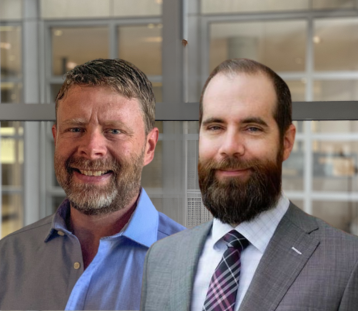


Successful collaboration between sponsors, CROs, and clinical trial sites is a cornerstone of efficient and high-quality clinical research. This article explores the key dos and don’ts for fostering productive site partnerships, with a focus on sustaining investigator motivation and study momentum. Contributing their expert insights are Ted Trafford, a veteran executive who has spent nearly 30 years at Probity Medical Research building a global network of over 70 investigative sites across multiple therapeutic areas, and Brad Hightower, founder of Hightower Clinical and host of Note to File: A Clinical Research Podcast, who brings over 15 years of site-level experience, including leadership at the Oklahoma Heart Hospital Research Foundation.
Want to understand how financial practices are impacting site performance? Read our companion article, Delayed Payments, Diminished Performance: The Site Perspective, featuring the same expert voices on the urgent need for change.
Investigator and Site Motivation Throughout a Study
Site collaboration remains a critical component of clinical trial success, requiring clear alignment between operational expectations and site capabilities. Emphasis must be placed on maintaining investigator and site motivation throughout the study lifecycle, as sustained engagement directly influences recruitment performance and protocol adherence. Protocol design must be carefully reviewed for clarity and feasibility, as inconsistencies or overly complex procedures can create significant burdens at the site level, leading to delays or deviations. Additionally, sponsor-driven rollbacks and delayed payments can disrupt site operations, strain resources, and erode trust, ultimately compromising study execution. Strategic planning, transparent communication, and timely financial management are essential to fostering productive and resilient site partnerships.
Early Site Engagement
Early engagement with clinical trial sites during study development is essential for building interest and alignment. Feasibility should be viewed as a continuous process that begins at study conception, rather than as a discrete questionnaire issued late in planning. One of the most critical elements sites seek in feasibility outreach is early disclosure of the investigational product’s mechanism of action, which can significantly influence investigator enthusiasm. Lack of transparency regarding the compound, its administration route, or therapeutic relevance often results in diminished site interest and suboptimal feasibility responses. Furthermore, limited communication during and after the feasibility process, such as failure to notify sites of selection outcomes or provide rationale for exclusion, can erode trust and reduce future engagement. A recurring issue in sponsor-site dynamics is the perception of sites as subordinate rather than as equal partners. Establishing direct, respectful communication channels and treating sites as integral contributors to study success are essential for fostering motivation. Despite the development of promising compounds and well-designed protocols, inadequate operational execution and poor communication have historically hindered trial outcomes. Site motivation is further diminished by unclear expectations, lack of recognition, and insufficient feedback. Addressing these gaps through proactive, transparent collaboration can significantly enhance site performance and overall trial success.
Financial Transparency and Communication Drivers

Site motivation is frequently diminished by inconsistent communication and unclear expectations from sponsors and CROs. A common challenge involves delayed or inaccurate payments, which can significantly impact physician engagement, particularly when financial incentives are a key motivator. Physicians may be driven by various factors, including financial compensation, patient benefit, or professional recognition. Regardless of the underlying motivation, irregular payment schedules, such as biannual disbursements with missing amounts, can deprioritize a study in favor of others with more reliable financial management. Additional frustration arises from complex reimbursement processes, particularly for passthrough costs like dry ice invoices, which are often rejected despite adherence to contractual terms. These administrative inefficiencies consume valuable site resources and reduce operational efficiency. Furthermore, lack of visibility into study progress, such as enrollment metrics or site performance, contributes to disengagement. Absence of study updates, newsletters, or recognition limits opportunities for sites to feel connected to the broader trial effort. For investigators motivated by scientific contribution or patient outcomes, protocol designs must minimize patient burden and maximize clinical relevance. Addressing the full spectrum of site motivators, financial, professional, and altruistic, through transparent communication, streamlined operations, and thoughtful protocol design is essential to sustaining site engagement and ensuring trial success.
Recognition and Simplified Operations
Recognition and visibility remain powerful motivators for clinical trial sites. Study newsletters, performance updates, and opportunities to share best practices foster a sense of inclusion and healthy competition. Sites that receive acknowledgment for high enrollment or operational excellence are more likely to remain engaged and motivated. Facilitating peer-to-peer communication among sites can also lead to performance improvements, as underperforming teams may adopt successful strategies from top enrollers. However, motivation can be significantly undermined by operational inefficiencies, particularly those related to technology. Complex or unreliable systems, such as malfunctioning randomization platforms or burdensome electronic data capture tools, can delay procedures, frustrate staff, and ultimately lead to site withdrawal from a study. Technical issues that interfere with patient care, such as delayed randomization during procedures, can have immediate and lasting consequences on site participation. Additionally, protocol complexity and lack of early scientific engagement can reduce investigator interest. Direct outreach from medical monitors or clinical leadership to discuss the investigational product’s scientific rationale has been shown to enhance investigator buy-in. Involving high-performing sites in investigator meetings and enabling them to share insights further reinforces a collaborative environment. Sponsors that prioritize long-term relationships, rather than treating each study as a one-off engagement, are more likely to secure site loyalty and early access to future pipelines. Establishing consistent communication, recognizing contributions, and simplifying operational burdens are essential strategies for sustaining site motivation and building enduring partnerships.
Sustained site engagement is not achieved through protocol design alone but through a deliberate, ongoing investment in communication, transparency, and operational efficiency. Early involvement of sites, reliable financial processes, recognition of site contributions, and simplification of trial execution are fundamental to fostering trust and motivation. Without these, even the most promising compounds and protocols risk failure due to disengaged sites and compromised performance. Strong sponsor-site partnerships remain a decisive factor in the successful delivery of high-quality clinical trials.
About the Authors
Ted Trafford is a seasoned clinical research executive with nearly 30 years of experience at Probity Medical Research. He has led the transformation of a single-site operation into a global network of over 70 investigative sites, with a focus on Dermatology, Allergy/Immunology, Cardiology, and Rheumatology.
Brad Hightower brings over 15 years of site-level clinical research experience, including his tenure as Executive Director of the Oklahoma Heart Hospital Research Foundation. He is the founder of Hightower Clinical, an integrated site network, and the host of Note to File: A Clinical Research Podcast.