



The relationship between sponsors and investigative sites is more critical than ever. Sites are not just service providers, they are essential partners in delivering high-quality, efficient, and ethical clinical trials. Yet, many sponsors and CROs fall short in meeting site expectations, leading to operational inefficiencies, diminished motivation, and even site attrition.
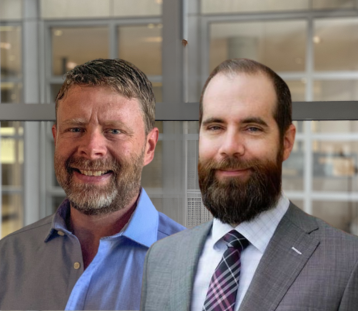
Contributing their expert insights are Ted Trafford, a veteran executive who has spent nearly 30 years at Probity Medical Research building a global network of over 70 investigative sites across multiple therapeutic areas, and Brad Hightower, founder of Hightower Clinical and host of Note to File: A Clinical Research Podcast, who brings over 15 years of site-level experience, including leadership at the Oklahoma Heart Hospital Research Foundation.
Drawing from their perspectives and experiences, this article presents a comprehensive checklist for sponsors aiming to become the “sponsor of choice” from the site’s point of view.
Checklist: What Sites Want from Sponsors
- Protocol Usability and Operational Clarity
✅ Ensure consistency across all study documents (protocols, lab manuals, eCRFs, pharmacy manuals).
✅ Avoid fragmented delivery of materials; use integrated platforms for centralized access.
✅ Incorporate visual tools (flowcharts, timelines) and simulation-based training to accommodate diverse learning styles.
✅ Eliminate circular referencing and irrelevant footnotes that increase cognitive load.
✅ Tailor protocols to site-specific responsibilities using adaptive, electronic formats.
- Early and Transparent Site Engagement
✅ Engage sites early in protocol development and feasibility assessments.
✅ Disclose key scientific and operational details (e.g., mechanism of action, administration route) during feasibility outreach.
✅ Provide feedback on site selection decisions to build trust and transparency.
✅ Treat sites as equal partners, not subordinates, in the research process.
- Financial Fairness and Predictability
✅ Avoid excessive payment holdbacks and ensure timely disbursements.
✅ Implement monthly payments based on EDC data entry rather than full monitoring.
✅ Compensate for all work performed, including screen failures and startup activities—even if the site is not selected.
✅ Include contingency budget lines for unplanned but necessary site expenses.
✅ Simplify invoicing processes and provide clear timelines and criteria for reimbursement.
- Communication and Recognition
✅ Maintain consistent, two-way communication throughout the study lifecycle.
✅ Share study updates, enrollment metrics, and newsletters to keep sites informed and engaged.
✅ Recognize high-performing sites through awards, shout-outs, or opportunities to share best practices.
✅ Facilitate peer-to-peer learning by connecting sites to exchange strategies and insights.
- Technology and Operational Support
✅ Provide reliable, user-friendly platforms for randomization, data capture, and document access.
✅ Minimize administrative burden by streamlining systems and reducing redundant tasks.
✅ Offer responsive technical support to resolve issues quickly and prevent disruptions to patient care.
Becoming a sponsor of choice is not about offering the highest payments or the most complex protocols: it is about building trust, reducing friction, and treating sites as true collaborators. By prioritizing usability, transparency, financial fairness, and operational support, sponsors can foster long-term partnerships that drive better outcomes for studies, sites, and patients alike. In a competitive research environment, those who invest in site-centric practices will lead the way in clinical trial excellence.
About the Authors
Ted Trafford
Ted Trafford is a seasoned clinical research executive with nearly 30 years of experience at Probity Medical Research. He has led the transformation of a single-site operation into a global network of over 70 investigative sites, with a focus on Dermatology, Allergy/Immunology, Cardiology, and Rheumatology.
Brad Hightower
Brad Hightower brings over 15 years of site-level clinical research experience, including his tenure as Executive Director of the Oklahoma Heart Hospital Research Foundation. He is the founder of Hightower Clinical, an integrated site network, and the host of Note to File: A Clinical Research Podcast.